
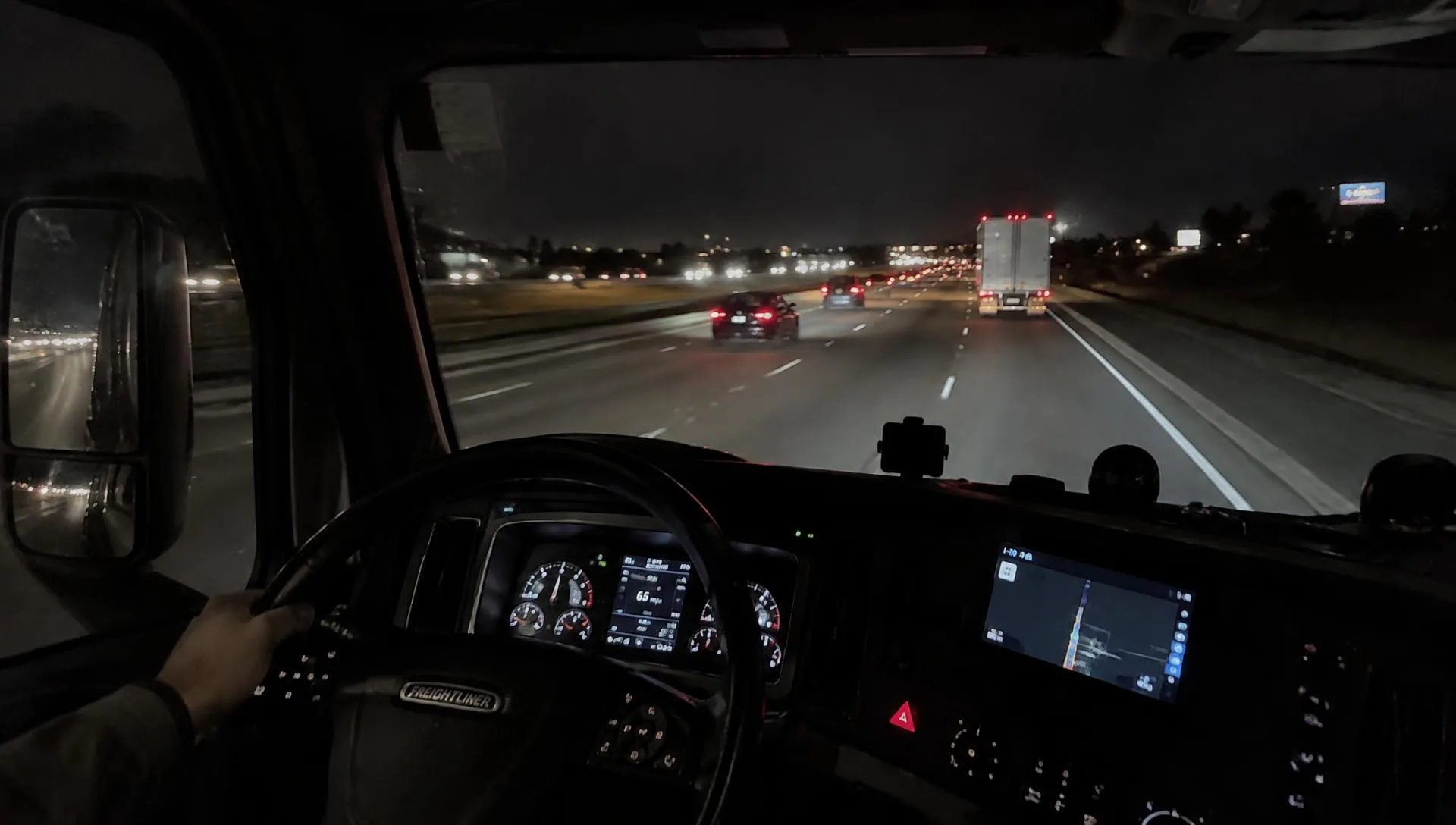
The clock, the cab, and the difference between them
Fatigue does not read a schedule. It answers to a body, a road, and a night that never went as planned.
Rules are written in hours because hours can be measured. A person does not work that way. Two drivers can finish the same shift with very different reserves of alertness, and neither result appears on a log.
Night driving, weather, a two hour wait at a dock, an unfamiliar route, and a rest area with no quiet all shape how a driver actually feels at hour ten. None of those are visible from a summary.
The question I keep returning to is whether we are measuring fatigue, or measuring paperwork that assumes fatigue has been handled. Those are not the same conversation.
A better standard starts with what drivers can describe about their own working lives, then asks how policy should answer it.